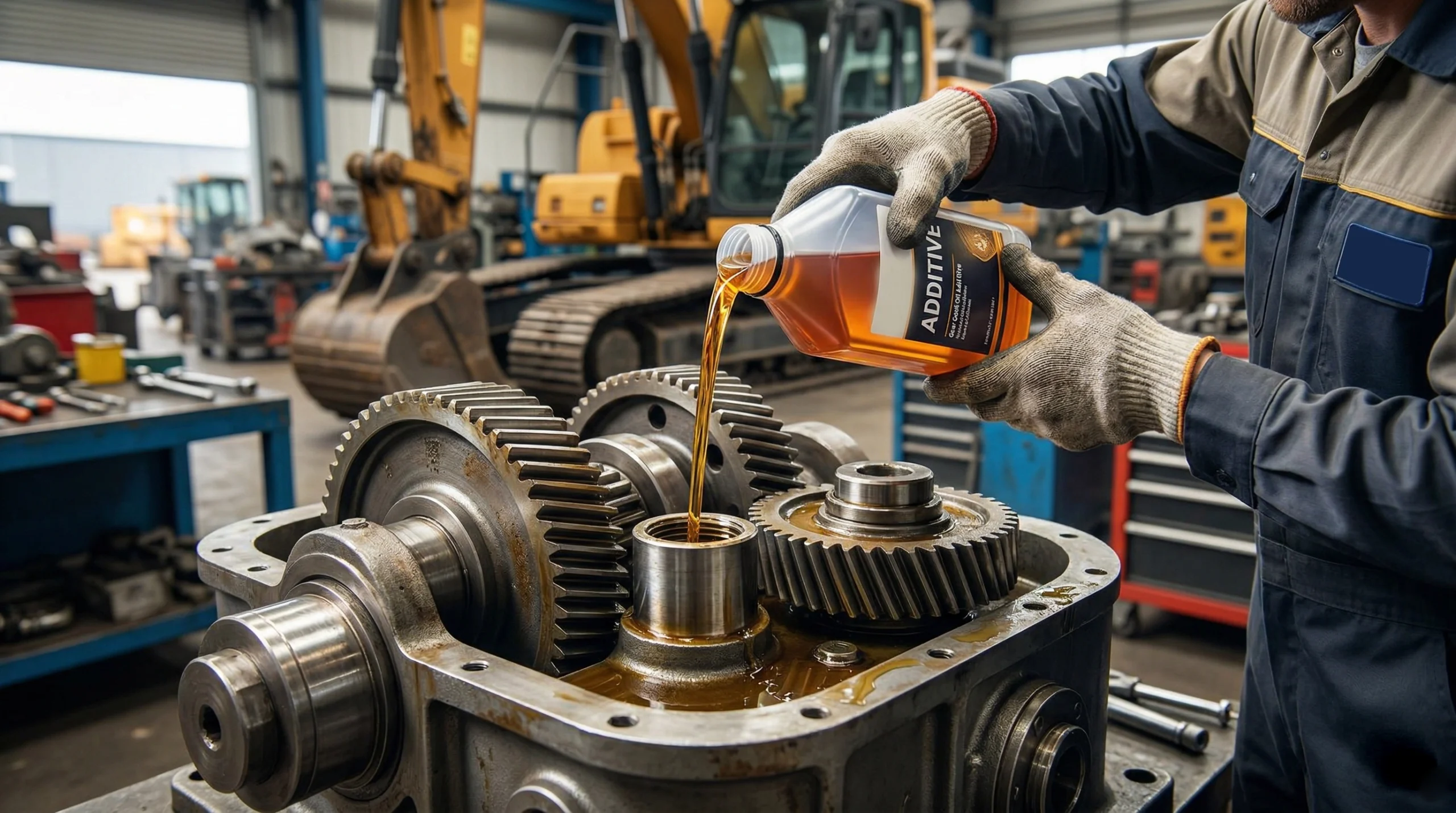
In the world of lubrication science, base oils form the foundation of every high-quality lubricant. Whether used in automotive engines, industrial machinery, or marine systems, the lubricant formulation determines how effectively a lubricant performs under pressure, temperature, and environmental stress. While additives fine-tune specific properties, the base oil itself defines the overall performance, viscosity, stability, and life span of the lubricant.
Understanding the role of base oils in lubricant formulation helps manufacturers and users alike select the most suitable lubricant for their machinery — ensuring reliability, protection, and efficiency in every operation.
What Are Base Oils?
Base oils are the primary components of lubricants, typically making up 70–99% of the total volume in a finished lubricant. They are derived from refining crude oil (mineral base oils) or synthesized through chemical processes (synthetic base oils).
The choice of base oil has a direct influence on the lubricant formulation, determining characteristics such as:
- Viscosity and viscosity index
- Oxidation and thermal stability
- Pour point and volatility
- Compatibility with additives
- Lubricity and wear protection
In simple terms, the base oil provides the “body” of the lubricant, while additives act as “enhancers” to improve or modify certain properties.
Types of Base Oils and Their Characteristics
According to the American Petroleum Institute (API), base oils are classified into five main groups based on their chemical composition and refining process. Each group affects lubricant formulation differently.
Group I – Solvent Refined Base Oils
- Derived from crude oil through simple refining.
- Contain higher levels of sulfur and aromatic compounds.
- Suitable for moderate temperature and load applications.
Use Case: Gear oils, hydraulic fluids, and older engine designs.
Group II – Hydroprocessed Base Oils
- Higher purity due to hydrogenation.
- Better oxidation stability and color than Group I.
- Commonly used in modern lubricant formulations.
Use Case: Passenger car motor oils, industrial lubricants.
Group III – Hydrocracked Base Oils
- Produced by advanced hydrocracking and isomerization.
- Offer near-synthetic performance levels.
- Excellent oxidation and thermal stability.
Use Case: Premium engine oils, synthetic blends.
Group IV – Polyalphaolefins (PAOs)
- True synthetic base oils with uniform molecular structures.
- Superior performance under extreme conditions.
- Low volatility and outstanding low-temperature flow.
Use Case: High-performance engine oils, industrial greases.
Group V – Esters, PAGs, and Others
- Special base oils for niche lubricant formulations.
- Exceptional lubricity, biodegradability, and solvency.
Use Case: Compressor oils, aviation lubricants, eco-friendly lubricants.
How Base Oils Affect Lubricant Performance
The relationship between base oils and lubricant formulation determines the overall performance and application suitability. Below are key ways in which base oils influence lubricant properties.
1. Viscosity and Temperature Stability
Viscosity is the most crucial parameter in lubricant performance. It defines how thick or thin the oil is under different temperatures.
- Base oils with a high viscosity index (VI) maintain stability across temperature ranges, ensuring consistent lubrication in cold starts and high-heat operations.
- Group III and Group IV base oils have naturally higher VI values, making them ideal for modern engines and high-performance applications.
2. Oxidation and Thermal Resistance
When exposed to heat and oxygen, lubricants can degrade, leading to sludge formation and viscosity increase.
- Synthetic base oils (like PAOs and esters) exhibit strong oxidation resistance, allowing longer oil drain intervals.
- The correct lubricant formulation minimizes breakdown, extending both equipment life and lubricant longevity.
3. Volatility and Evaporation Loss
High volatility can lead to oil consumption and deposit formation.
- Low-volatility base oils reduce oil burn-off, especially in high-temperature conditions.
- Selecting the right base oil group directly improves lubricant efficiency and fuel economy.
4. Low-Temperature Fluidity
In cold environments, lubricants must flow easily to prevent wear during startup.
- PAO and ester base oils maintain superior flow at low temperatures, ensuring full component protection.
- Base oils with poor low-temperature properties can cause delayed lubrication and engine stress.
5. Compatibility with Additives
Additives like detergents, dispersants, and anti-wear agents work best when compatible with the base oil.
- Group II and III base oils have better additive response compared to Group I.
- Synthetic base oils allow more precise and stable lubricant formulations for demanding applications.
6. Lubricity and Wear Protection
The inherent lubricity of a base oil determines how well it prevents metal-to-metal contact.
- Ester-based oils provide excellent film strength, reducing friction and extending component life.
- A balanced lubricant formulation ensures both lubricity and cleanliness.
Selecting the Right Base Oil for Lubricant Formulation
Choosing the appropriate base oil involves considering the operating conditions, equipment type, and performance requirements. Below are key factors:
| Factor | Description | Impact on Lubricant Formulation |
| Viscosity Index | Measures how viscosity changes with temperature | High VI means stable performance |
| Oxidation Stability | Resistance to degradation under heat | Determines oil life |
| Pour Point | Lowest temperature oil can flow | Important for cold climates |
| Volatility | Tendency to evaporate | Affects oil consumption |
| Additive Compatibility | Interaction with chemical enhancers | Ensures balanced formulation |
Selecting the wrong base oil can lead to inefficient lubrication, increased wear, and energy loss. For optimal performance, always rely on professional formulation expertise, like that offered by ECC Chem — a trusted name in lubricant innovation.
Role of Synthetic Base Oils in Modern Lubricant Formulation
With advancements in automotive and industrial technology, the demand for high-performance lubricants has grown exponentially. Synthetic base oils, particularly Group IV and V, offer unmatched advantages:
- Longer drain intervals → reducing maintenance costs.
- Superior cleanliness → fewer deposits and sludge.
- Improved thermal stability → ideal for turbocharged engines.
- Energy efficiency → reduced friction and better fuel economy.
These properties make synthetics essential in lubricant formulations for high-stress applications such as aviation, heavy machinery, and electric vehicle drivetrains.
Environmental Impact and Sustainability of Base Oils
As industries move toward sustainability, base oils are evolving too.
- Re-refined base oils (RRBOs) recover used oils and refine them to near-new quality.
- Biodegradable esters offer eco-friendly alternatives without compromising performance.
- Sustainable lubricant formulations reduce waste, carbon footprint, and environmental hazards.
Companies like ECC are leading this transformation by developing green lubricant solutions that meet both performance and environmental standards.
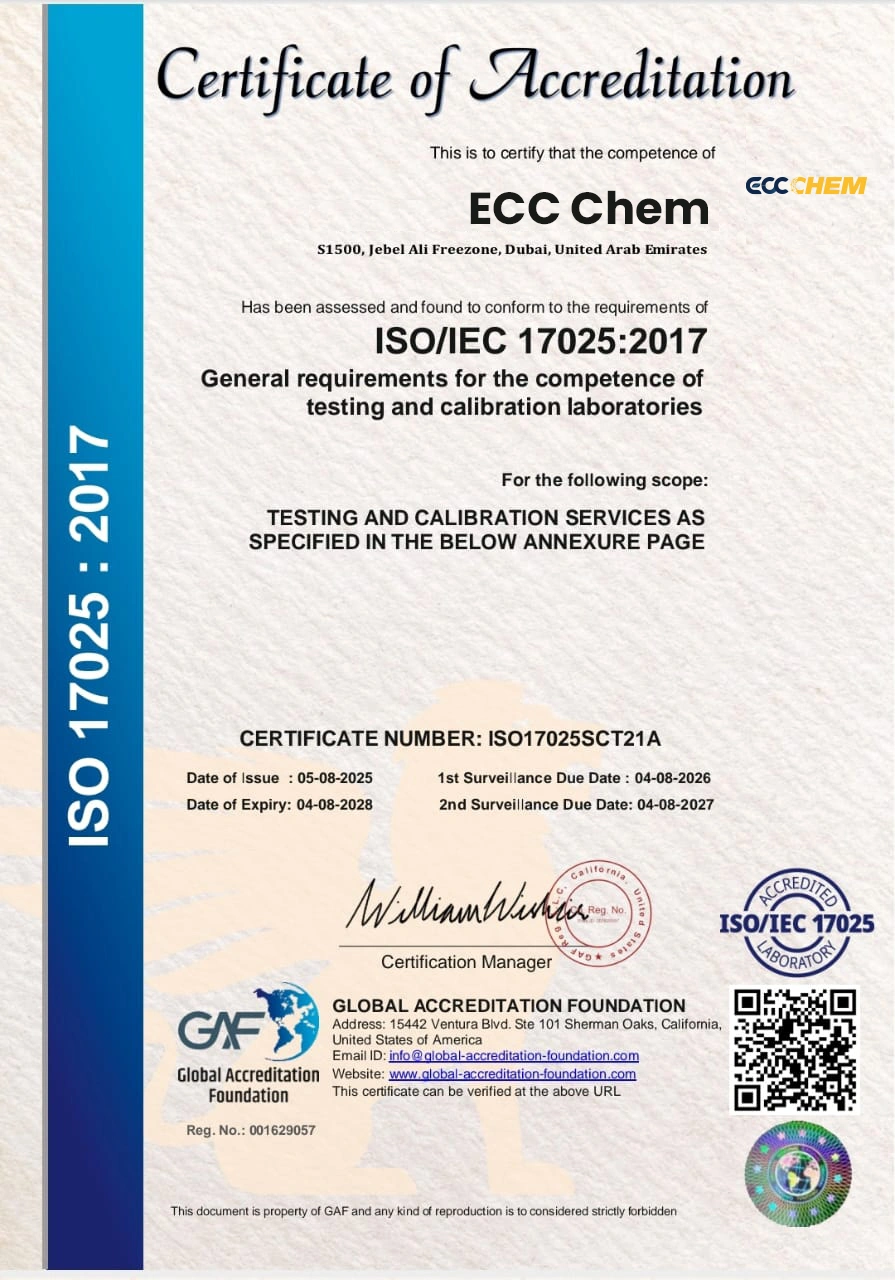
Quality Testing and Laboratory Analysis of Base Oils
To ensure consistent performance, every base oil batch undergoes rigorous laboratory testing.
At ECC Laboratory
, we perform detailed analysis covering:
- Viscosity index and oxidation stability
- Flash point and pour point testing
- Sulfur and aromatic content measurement
- Compatibility with additives
These tests guarantee that the lubricant formulation meets the highest industry standards before production.
Future Trends in Base Oil and Lubricant Formulation
The future of lubrication technology is shifting toward smarter and sustainable formulations. Emerging trends include:
- Nano-lubricants for ultra-low friction.
- Bio-based base oils from renewable feedstocks.
- AI-driven lubricant formulation optimization.
- Advanced additive technologies for self-healing lubricants.
As innovation accelerates, the synergy between base oils and lubricant formulation will continue to define the performance standards of tomorrow.